
Ultimate Foundation Repair Products To Restore Home Stability
Select from top-performing foundation repair solutions designed to address various structural problems efficiently.
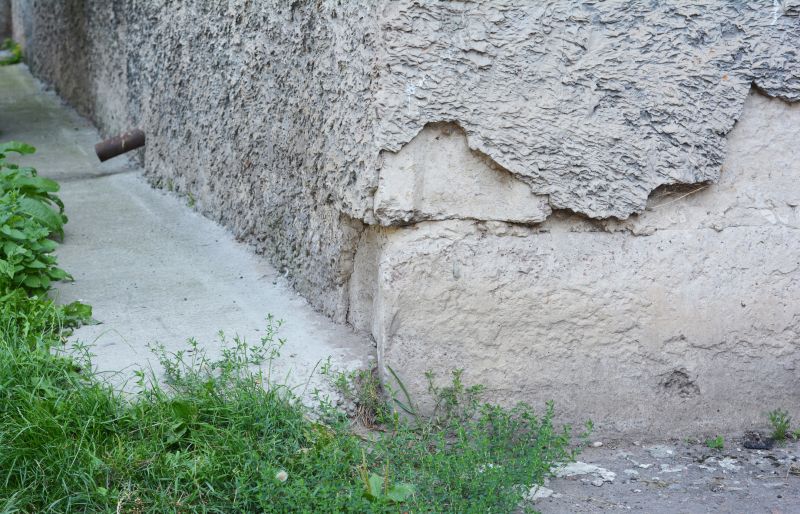 Foundation repairs are a critical aspect of maintaining the structural integrity and safety of a building. When issues such as cracking, settling, or shifting are observed, it is essential to select appropriate products designed to stabilize and reinforce the foundation. These products vary widely in type, application, and complexity, ranging from simple repair patches to sophisticated underpinning systems. Proper assessment by a qualified professional can help determine the most suitable solutions for specific foundation concerns.
Top Overall Option
Epoxy Injection Kit
An epoxy injection kit is a versatile solution for sealing cracks and restoring the integrity of concrete foundations. These kits typically include epoxy resin, applicator tools, and safety instructions, making them suitable for both professional and DIY use. They are designed to penetrate cracks and bond the concrete surfaces, helping to prevent water intrusion and further deterioration. While not a substitute for structural repairs in severe cases, epoxy injections can effectively address minor cracks and surface issues, providing a durable seal that reinforces the foundation’s stability.
Types of Products For Foundation Repairs
Epoxy Crack Injection Kits
Used to seal and bond cracks in concrete foundations, these kits help prevent water intrusion and further damage.
Polyurethane Foam Injection Systems
Ideal for lifting and stabilizing settled slabs and foundations, these systems expand to fill voids and cracks.
Steel Push Piers
A permanent underpinning solution that supports and stabilizes sinking foundations by transferring load to stable soil.
Helical Piers
Versatile piers that can be installed in a variety of soil conditions to provide deep foundation support.
Concrete Lifting and Leveling Products
Materials designed to lift and level uneven slabs or sections of a foundation using polyurethane foam or mudjacking techniques.
Underpinning Jacks
Heavy-duty jacks used to lift and stabilize foundations during repair or reinforcement processes.
Grout and Mortar Patches
Used for filling surface cracks and minor surface repairs to improve foundation integrity.
Soil Stabilization Products
Chemicals or mixes that improve soil bearing capacity around the foundation to prevent future shifting.
Drainage and Waterproofing Membranes
Protect foundations from water damage and manage moisture levels around the structure.
Foundation Repair Anchors
Anchors that stabilize bowing or leaning walls by attaching to the structure and securing it in place.
Concrete Piers
Precast or poured concrete supports used to elevate and stabilize foundations or floors.
Vibration and Soil Compaction Equipment
Tools used to improve soil stability before or during foundation repair work.
Waterproof Sealants
Sealants applied to cracks and joints to prevent water infiltration and further deterioration.
Foundation Monitoring Devices
Sensors and gauges to track shifts or movements in the foundation over time.
Injection Ports and Accessories
Components used for precise application of repair materials into cracks or voids.
Structural Reinforcement Beams
Steel or composite beams installed to reinforce weak or compromised foundation walls.
Popular Choices
Widely used for crack sealing and surface bonding in foundation repairs.
Commonly employed for slab leveling and void filling with quick expansion properties.
Frequently selected for long-term stabilization of sinking foundations.
Popular for their adaptability to various soil conditions and load requirements.
A preferred solution for raising uneven concrete slabs efficiently.
Effective for stabilizing bowing or leaning basement walls.
Commonly used to prevent moisture intrusion around foundations.
Used for surface crack filling to improve appearance and prevent water ingress.
Often utilized during soil preparation for foundation work.
Regularly chosen for precise lifting and stabilization tasks.
Popular for directing water away from foundations and reducing hydrostatic pressure.
Frequently installed to strengthen compromised foundation walls.
Commonly used for minor crack sealing and surface sealing applications.
Chosen for their ability to enhance soil load-bearing capacity around foundations.
Popular for ongoing assessment of foundation stability.
Essential for precise application of repair materials into cracks or voids.
Frequently used for foundational support in various construction scenarios.
In residential settings, small-scale repairs might involve the use of epoxy injections or polyurethane foam to fill cracks and lift minor settling. For more significant issues, pier and beam systems, helical piers, or steel push piers may be employed to provide long-term stabilization. Commercial or larger structures often require more advanced underpinning methods, including underpinning jacks and concrete lifting products, to ensure safety and compliance with building codes.
Selecting the right products involves understanding the nature of the foundation problem, the type of soil, and the structure's load requirements. Materials must be durable, compatible with existing construction, and capable of providing reliable support over time. It is also important to consider ease of installation, especially if the repair work is to be performed by homeowners or DIY enthusiasts. Consulting with foundation specialists can help clarify the most effective options and prevent further issues down the line.
Overall, investing in quality foundation repair products can help mitigate damage, prevent costly future repairs, and prolong the lifespan of a building. Whether addressing minor cracks or major structural shifts, the right tools and materials are essential for achieving safe and lasting results. Always prioritize products that are well-suited to your specific needs and adhere to safety standards to ensure optimal outcomes.
Key Buying Considerations
- Assess the severity and type of foundation issue before selecting products.
- Determine whether the repair requires surface sealing, stabilization, or deep underpinning.
- Consider the compatibility of repair materials with existing foundation materials.
- Evaluate the load-bearing capacity needed for your specific structure.
- Check product durability and resistance to environmental factors such as moisture and temperature.
- Review the ease of application, especially if DIY installation is planned.
- Ensure products meet local building codes and safety standards.
- Look for comprehensive kits that include all necessary components for your repair scope.
- Consider the long-term effectiveness and whether professional consultation is recommended.
- Factor in the soil conditions and drainage around your property.
- Review customer feedback and ratings for insights into product performance.
- Assess the availability of technical support or installation guidance from suppliers.
- Budget for both initial purchase and potential future repairs or maintenance.
- Verify the size and coverage area of products to match your project needs.
- Consider environmental factors that might influence repair longevity, such as water exposure.